
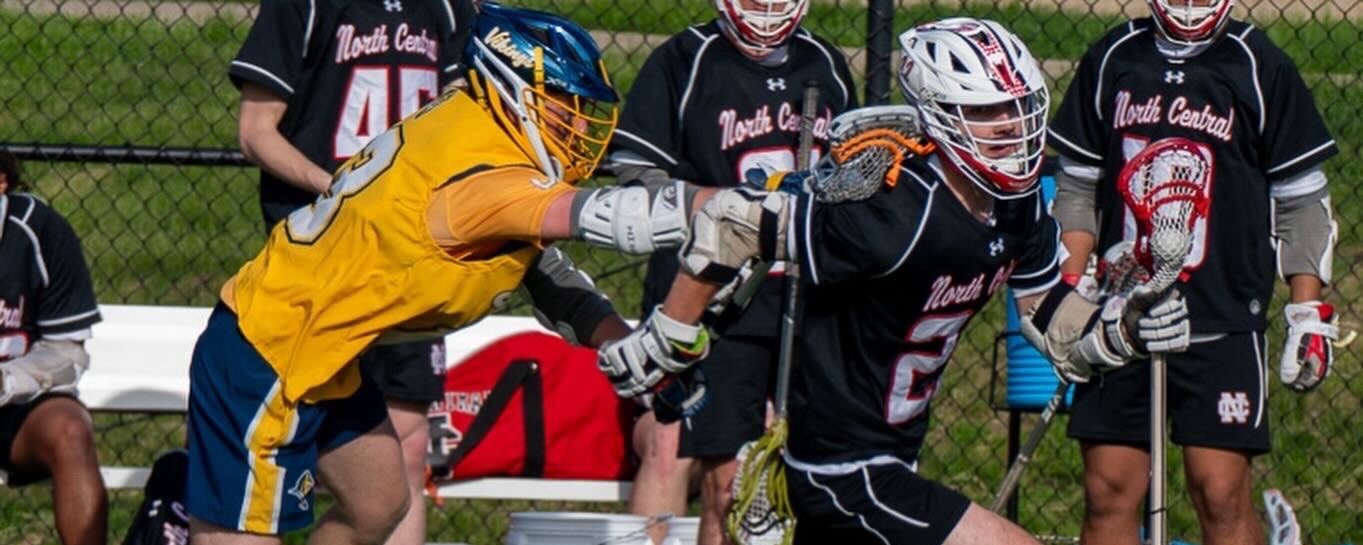
For many college students, joining clubs and attending campus events are important memories of their college experiences. But for student-athletes, balancing those opportunities with practices, competitions and travel can be problematic.
Being a college athlete can be very time consuming and leaves many athletes with the dilemma of having to find time to join student clubs or organizations.
During the season, practices and competitions can take up several days each week. Away games conflict with club meetings and campus events, leaving athletes with fewer opportunities to get involved.
Division III student-athletes don’t receive athletic scholarships. Their commitment to sports is driven by their passion for the game. Despite the time and effort, many still want to experience everything college has to offer, including joining clubs, meeting new people and participating in campus activities.
Cardinal Unified
Beckett Krause, a sophomore men’s lacrosse player and Cardinal Unified treasurer, explains how he balances athletics with academics.
“I try not to spend too much time towards one or the other, which helps make me balance my schedule better,” he says. “I create a schedule and use constant reminders to help me with due dates or upcoming events.”
Student organizations must also consider how their schedules affect members. Some clubs require regular attendance, while others offer more flexibility for students with demanding schedules.
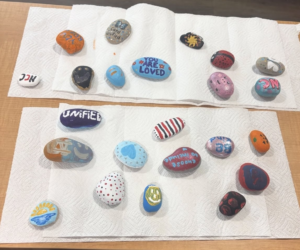
Members of Cardinal Unified displayed their creativity during their first club meeting and rock painting social. @cardinalunified via Instagram
For student-athletes interested in joining organizations, meeting times and attendance expectations can influence whether participation is realistic.
“I would highly recommend other student-athletes to get involved on campus,” says Lucy Wittenmeyer, a junior women’s lacrosse player. “It helps build relationships outside of your sport and it’s honestly a great resume builder for your future.”
However, once the season ends, athletes may have more flexibility to explore other interests, join organizations and spend time with friends outside their teams. This creates two different college experiences throughout the year, as athletes try to balance their athletics with their social life.
College provides student-athletes with opportunities to build friendships, explore interests and develop leadership skills outside their teams. Participating in campus organizations can help them make connections with students who have different interests and experiences.
Finding that balance requires athletes to manage their commitments and organizations to consider the needs of their members.
By understanding how athletic schedules affect campus involvement, NCC students and organizations can identify ways to make extracurricular opportunities more accessible to everyone.
